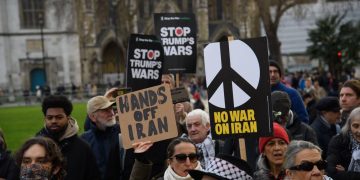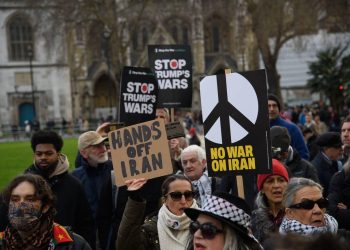







The military confrontation between the United States and Iran has quickly moved beyond a regional dispute and is increasingly being viewed as a major geopolitical crisis with global economic implications. Many international legal scholars argue that the US military operation against Iran raises serious legal concerns. They say the situation should be carefully assessed under established principles of international law. Critics argue that the military operation was launched without formal authorization from the US Congress. They also state that there was no evidence of an immediate threat that would justify the use of force. Meanwhile, the ongoing discussions about the conflict’s legal status have already produced economic effects which are now visible in worldwide markets. This article examines the Iran war impact on global energy market and Britain’s vulnerability.
Iran war impact on oil price and global markets
Global energy markets have experienced their first direct impact from the ongoing conflict with the United States. Military escalation in the Middle East immediately raised concerns about possible supply disruptions. In response, traders pushed oil prices above 90 dollars per barrel. Global financial markets faced unpredictable movements because investors expected ongoing disturbances to energy supply networks.
The worldwide rise in energy expenses will drive up inflation rates for every country that currently deals with economic recovery challenges plus elevated interest rates. Higher oil prices have caused transportation expenses to rise. These increased costs affect industrial production and food supply chains, extending the conflict’s economic effects beyond the energy sector. Energy analysts warn that the Iranian conflict will cause growing oil price increases when the war expands into the Persian Gulf region.
Strategic importance of the Strait of Hormuz
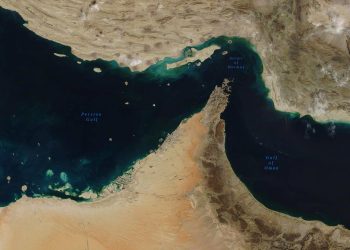
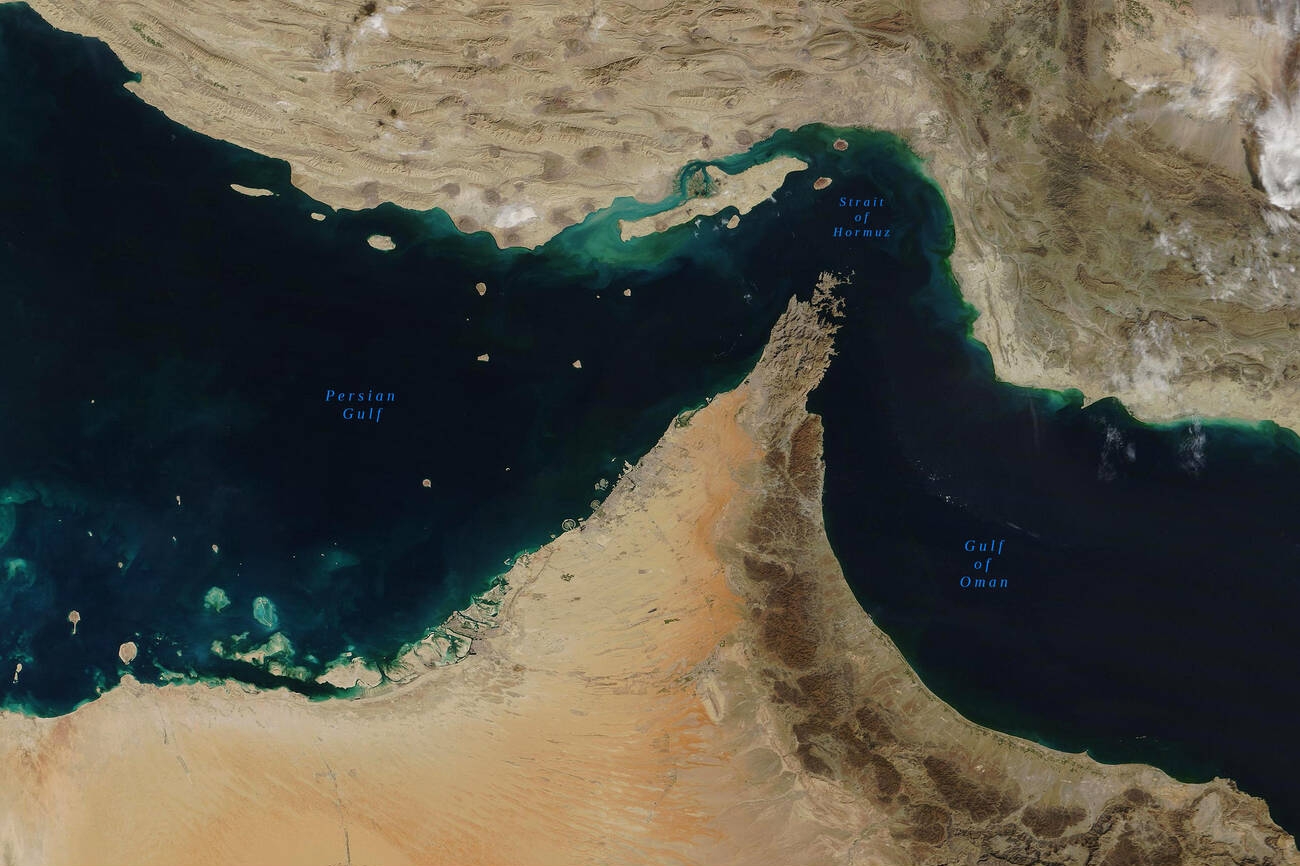
The Strait of Hormuz serves as a crucial maritime route which connects two vital oil production regions of the world. The narrow maritime corridor handles daily shipping operations which transport approximately one fifth of the total global oil supply. Any disruption to shipping in the area could quickly reduce global energy supplies and push prices even higher. Signs of such disruptions are already emerging. Energy companies in the Gulf region must now change their production methods and transportation paths due to the increasing danger to their operations. Energy facilities in the region face temporary production halts because they experience both storage space shortages and operational challenges. These developments increase the uncertainty surrounding global supply and contribute to rising instability in oil markets.
Warnings from Gulf energy exporters
Energy experts plus regional authorities have issued their warnings about the major effects that will emerge from the ongoing violence in the area. The Gulf countries have indicated that they might stop oil and gas exports within a few weeks if fighting intensifies or shipping lanes become dangerous. The scenario would create major impacts that would disrupt energy markets throughout the world. Analysts predict that oil prices will approach 150 dollars per barrel following a substantial decrease in Gulf oil exports. The world economy would suffer from extensive economic damage because the price shock will result in increased inflation and higher shipping costs, while economic development will slow down in multiple regions of the globe.
Economic effects beyond the Middle East
The Iran war impact on oil price extends beyond its effects on oil markets. Higher energy prices create economic problems which extend throughout the entire world. Industries that rely on energy for manufacturing will face higher production costs. This is because shipping and logistics companies are dealing with rising fuel prices and increased insurance expenses.
The modern agricultural industry depends on fuel, fertilizer, and transportation. It will face disruptions to its food production and agricultural supply chains. Consequently, the changes would create additional challenges which will make existing economic difficulties worse for developing economies. Moreover, countries which depend on energy imports will experience high risks from unexpected price surges and interruptions to their energy supply. The conflict creates an economic shock which will lead to greater global inequality and economic recovery delays in various regions.
Britain’s vulnerability to the energy shock
The UK stands out as the European nation which faces the greatest economic risks stemming from the ongoing crisis. The British energy market operates according to global gas price changes because it depends on imported liquefied natural gas (LNG). Any disruption to energy exports from the Persian Gulf especially from major suppliers such as Qatar could quickly translate into higher energy costs in the UK.
Reports indicate that wholesale gas prices in Britain have already risen sharply as markets react to the growing geopolitical risk. The Iran war impact on oil price has increased British energy import costs because shipping companies now face higher insurance expenses while their maritime security worries arise from these developments.
The British government faces difficulties because these pressures will make it harder to control inflation while maintaining stable interest rates. The region has received attention because of Britain’s military activities which maintain its presence there. Moreover, the United Kingdom’s military stance and the deployment of Typhoon fighter jets to the region have placed the country at the center of a crisis that simultaneously threatens its energy security and economic stability.
A conflict with global consequences
The war between Iran and its opponents extends beyond military operations in the Middle East. The Iran war impact on oil price has the potential to cause a major disruption to worldwide energy infrastructure. The Iran war impact on oil price shows how international disputes in key energy areas can quickly disrupt worldwide economic systems and financial markets.
The ongoing conflict will produce long-term effects which include energy market instability, increasing inflation rates and escalating international conflicts across multiple global regions. The crisis demonstrates how the world depends on stable energy supplies yet needs political security to maintain international peace. The crisis also shows leaders that military conflicts in energy-producing regions will create long-lasting economic effects.