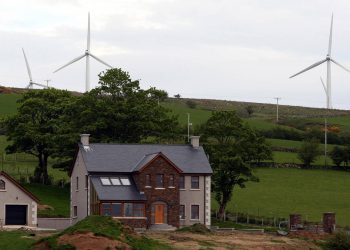







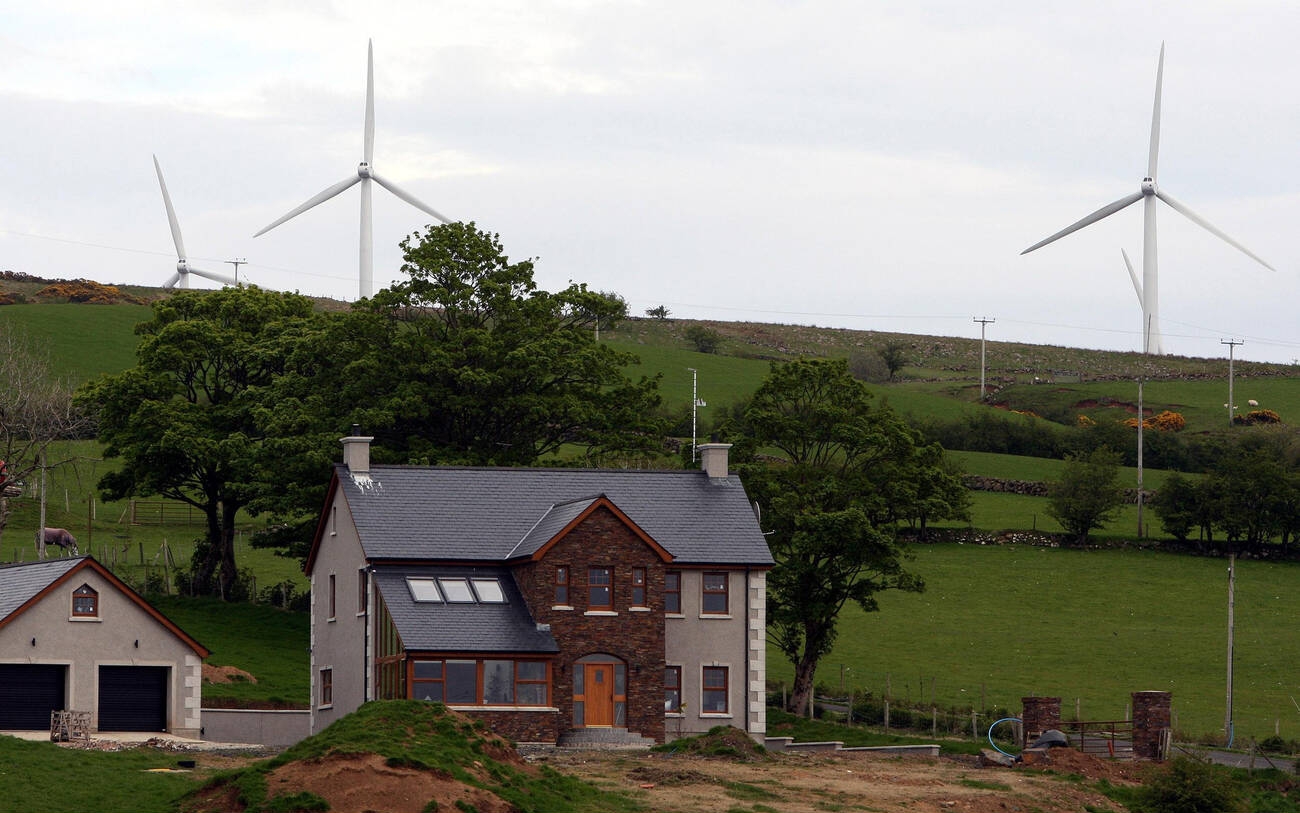
Northern Ireland’s renewable energy was, at one point, making great strides and offering a glimmer of hope for a cleaner electricity supply. After many years of investment and public support, the area reached a point of real progress. More than half of the energy produced here came from renewable sources.
Many people believed the progress would continue. They felt confident that the goal of 80% renewable electricity by 2030 could be reached. However, recent figures paint a very different picture. For the last three years, the amount of renewable energy being produced has been down from the peak at 51% back in 2022 to around 44% now for the year 2025. Why has this problem happened, and what are the ways to tackle it?
A Sharp Step Back for Renewable Progress
The decline in renewable production has come as a big shock. For several years now, wind and other renewable energy sources have been developing at a great pace. However, with the rise in delays on the policy front, investments and growth began slowing down. Some big project plans were delayed.
As such, instead of any growth, renewable energy production began falling. Also, this is a signal for companies wanting to increase renewable energy production that they must be prepared for more delays. Northern Ireland may struggle to rebuild the momentum it once had in its renewable energy projects. Regaining that level of progress will take strong action and clear support.
Policy Delays and the Missing REPG Scheme
The long delay in establishing the Renewable Electricity Payment Guarantee, or REPG, is a key reason for this decline. The scheme gives investors more stability and makes renewable energy projects easier to plan. Without this mechanism, developers do not know what is awaiting them, and banks hold back on financing for any fresh investment. This uncertainty has slowed growth and held back development in the sector.
A support mechanism such as REPG might remove these hurdles and pave the way for lower energy prices for citizens in the near future. Most developers claim that they can proceed with their plans once the framework is out. Without this necessary tool for now, growth for Northern Ireland’s renewable energy seems hopeless.
Grid Constraints and Years of Infrastructure Delays
Some renewable energy initiatives cannot supply their potential power because the energy grid is unable to cope with this amount. A lack of significant investment has resulted in congestion on these grids. As a result, operators must shut down renewable energy during peak periods. This clean energy goes largely unused and is wasted.
The second North and South electricity interconnector is a project that is critical and has experienced significant delays. Without this project and similar efforts to strengthen the grid, the system cannot handle more renewable energy. Regional improvements for increased renewable energy supply to customers have made minimal progress.
Poor planning is therefore exerting more pressure on this system and undermining faith in the overall aims. Policies must therefore make grid improvements a pressing issue on their agenda.
Effects on Cost, Safety, and Climate Objectives
The decline in Northern Ireland’s renewable energy has effects that go beyond the energy sector. The effect of this decline is much broader than the energy industry. A reduced production of renewable energy means that more energy comes from gas power stations.
However, gas prices can be unstable; thus, energy prices may rise. Another effect is that the region becomes more dependent on foreign energy. As such, energy security decreases. It is even more challenging to meet the legal target of at least 80% renewable energy for electricity by 2030. Failure to meet this target each year means more damage to the environment and the image as a leader on renewable energy and the environment.
Some people would doubt the direction renewable energy is taking in Northern Ireland. People initially supported renewable energy because it offered stable energy prices, cleaner air, and stronger communities.
Strengthening Northern Ireland’s Renewable Energy Through Long-Term Planning
Another significant weakness within the current system is the absence of storage solutions for energy. Without energy storage solutions, the energy grid cannot offer storage for any excess wind energy that is produced during peak production periods. In this case, significant amounts of quality and cleaner energy end up wasted.
A good storage plan would offer a remedy for this challenge by providing renewable energy for consumption during periods of increased demand. Implementing these storage solutions will be a crucial step toward expanding Northern Ireland’s renewable energy and ensuring its long-term stability.
Energy storage solutions, like large batteries and other advanced technologies, can provide the stability and efficiency the energy system needs. In this regard, energy storage solutions would reduce pressure on current energy lines.
Improving Governance and Accountability
Weak governance has slowed progress across many parts of the energy agenda. Many action plans rely on general timelines and remain unclear. When responsibilities are unclear, the initiatives face delays and uncertainty. Staying on course can be achieved with proper governance.
If this is achieved, progress is bound to be accelerated. Too much needs to happen for progress to take place in Northern Ireland’s renewable energy sector. A proper system would be important for gaining the much-needed private sector financing.
What Must Happen to Reverse the Trend
To reverse the trend, rapid and increasing action is necessary. The initial response is to complete the support scheme for REPG investors so that confidence can be restored. The second response is to speed up all significant grid improvements.
This approach can reduce wasted energy, increase capacity, and allow more renewable electricity to enter the grid. Third, a strategy for energy storage needs to be implemented with specific time limits. Fourth, action plans on the energy strategy must be made more specific and quantifiable.
If the goal is delayed, reaching it will become much harder. By making careful decisions on leadership and strategy, the energy industry can recover and regain its lost progress.
A Turning Point for the Future
Northern Ireland has now reached a critical moment. The drop in renewable energy sends a warning that the authorities should not ignore. Policymakers must act quickly to support growth, stabilize prices, and protect the environment. If they delay again, the 2030 target could be seriously at risk.
It is simple: Northern Ireland must back the emerging schemes and develop the necessary network and storage. This way, Northern Ireland can rebuild its renewable energy and move toward a cleaner, safer, and more secure energy future.