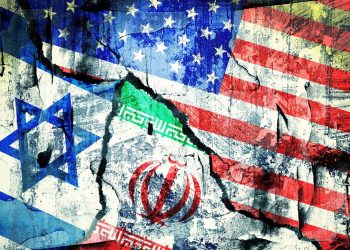






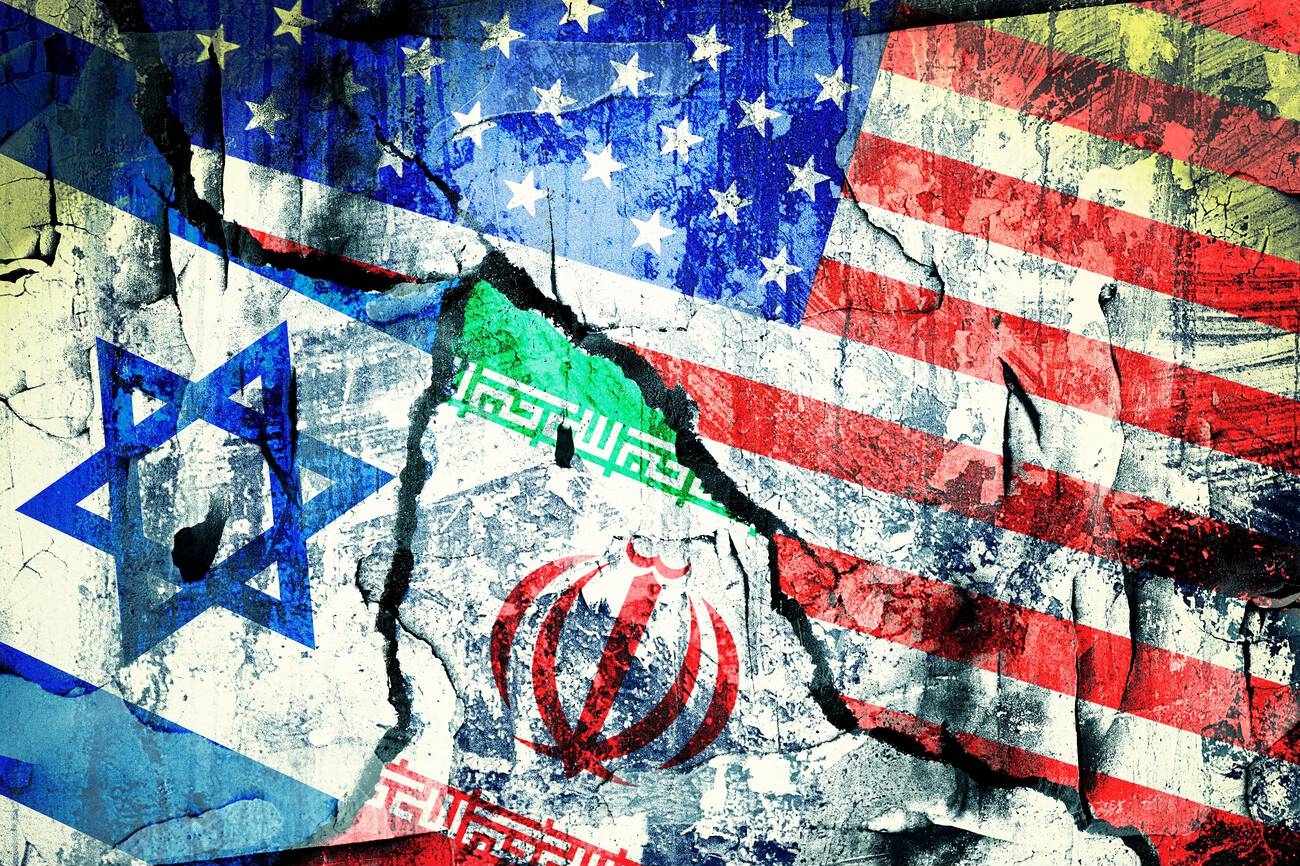
US‑Israeli attacks on Iran have triggered a sharp rise in global oil prices, and the economic consequences are already being felt far beyond the Middle East. In Ireland and Northern Ireland, surging oil and gas costs are reigniting fears about household heating, hitting families and businesses with unexpected force. Economists warn that higher energy prices inevitably feed into transport, food distribution and consumer goods – eating into disposable income and weakening spending power. From kitchen tables in County Antrim to boardrooms in Dublin and Belfast, the message is the same: the US‑Israel attacks on Iran have caused a global oil price surge, and the fallout is landing squarely on ordinary households. For many, the question is no longer about politics – it’s about how to keep the heating on.
US-Israel Attacks on Iran: Impact on Northern Ireland
The US-Israel attacks on Iran have caused a global oil price surge. The average home heating oil price in Northern Ireland rises by 80% in a week. The average price for 500 litres of home heating oil has risen by 80% in the past week in Northern Ireland.
Every Thursday, the Consumer Council updates its Home Heating Oil Price Checker. Compared with the figures from the previous week, they indicate a substantial increase in oil prices across all quantities.
On February 26, the average price of 500 litres of home heating oil was £307.38; it has since risen to £555.59. The latest oil prices fluctuate depending on the location in Northern Ireland, too.
CheOilst Oil, an independent price comparison service for home heating oil in the UK, explained the current situation in Northern Ireland. They said, “We’ve seen many suppliers no longer providing quotes for heating oil, removing prices from their websites, or listing ‘go away’ prices, perhaps until they can be sure at what price they can buy at.”
Raymond Gormley, Head of Energy Policy at the Consumer Council, said: “As we import all our home heating oil, Northern Ireland is at the mercy of volatile global oil markets.”
Most of the pension has gone on home heating oil.
The huge price increase has hit many households across Northern Ireland in home heating oil. Global oil prices surged after Iran launched strikes across the Middle East in response to ongoing attacks by the US and Israel.
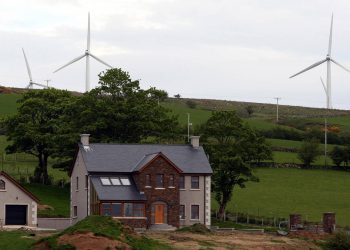
“I’m a pensioner, we get paid every four weeks – my oil fill has just taken three and a half weeks of my four weeks,” said Pauline. According to Pauline, who resides in Aghalee, County Antrim, heating oil is the sole alternative. Almost two-thirds of homes (62.5%) in Northern Ireland use oil for heating – the highest proportion of the UK nations. According to the Consumer Council, about 500,000 homes in NI use heating oil, and about 284,000 use natural gas. According to CE Oil’s 2021 report, oil was the sole source of central heating for only 3% of households in England and Wales. Scotland’s figure is 5%.
Broader UK and European Concerns
Heating oil costs’ worrying’ for rural residents. A charity warns that the global oil price surge due to the Middle East conflict will hurt “already struggling” rural communities. About 30% of homes in Cumbria and Northumberland use oil or LPG instead of mains gas.
Most people are choosing to buy in bulk rather than pay monthly, and according to some comparison sites, heating oil prices have doubled in just one week. Christine Nicholls from Community Action Northumberland put it this way: when prices jump from around 60p to £1 a litre, that can add hundreds of pounds to a single order.
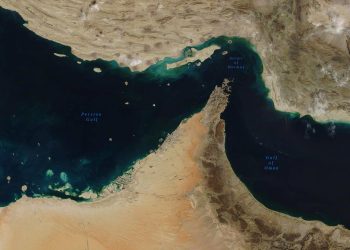
The UK and Ireland Fuel Distributors Association explained that the wholesale cost of jet fuel mainly drives heating oil prices. They pointed out that at least 40% of Europe’s jet fuel came from the Middle East in 2025 via the Strait of Hormuz—which is currently blocked—and the wholesale price has more than doubled. Most distributors hold only about 2 days’ worth of supply, picking up fuel from refineries or terminals almost daily at whatever the market price is.
Broader Economic and Inflationary Pressures
The US-Israeli strikes on Iran, which began on February 28, 2026, have contributed to a sharp rise in global oil and gas prices. It has exacerbated energy security concerns in Europe, including potential knock-on effects on support for Ukraine and broader regional stability. Furthermore, there is a shortage of air defenses for Ukraine and potential terror attacks on European soil.
“As global oil prices surge, inflation’s impact widens, dealing a significant blow to real disposable income and, consequently, consumer spending,” said an Oxford Economics worst-case scenario – based on Brent crude averaging $140 per barrel for several months. Transportation costs will rise as a result of the global oil price surge. Additionally, food and other goods have become more expensive.
Calls for De-escalation
China has condemned the attack and killing of Iran’s supreme leader as a grave violation of Iran’s sovereignty and security. It tramples on the purposes and principles of the UN Charter and basic norms in international relations. China firmly opposes and strongly condemns it.
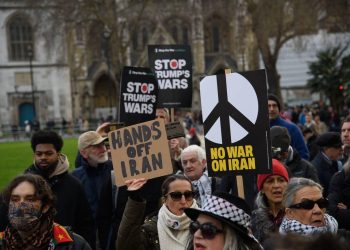
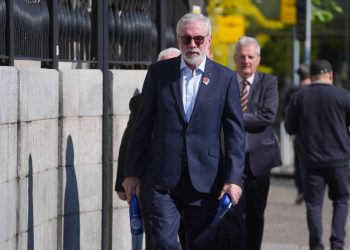
Russia has described the US-Israeli attack as an “unprovoked act of armed aggression“.A gathering in Belfast has condemned attacks on Iran. A gathering in Belfast has condemned US-Israel attacks on Iran. On Monday evening, Gerry Carroll, a People Before Profit MLA, expressed his belief that the action was anti-democratic at the gathering. He was among the speakers at the Stop Bombing Iran emergency rally.
“People in Iran are being blown to bits, and at least 160 children have been killed. In my eyes, in most people’s eyes across the world, that is not democracy, human rights, and dignity. We’re here to stand against that clearly and loudly,” Mr Carroll said.
Political Reactions in Ireland and Northern Ireland
Mary Robinson, Ireland’s first female president, has been vocal in her assessment. Speaking at a rally in Belfast, she described the US-Israel attacks on Iran as “illegal and a breach of international law”. Her words reflect a broader concern that such interventions risk undermining global order. Robinson warned that unchecked military actions could lead to prolonged instability, a view shared by several European leaders.
Ireland and Northern Ireland have offered distinct but unified voices of concern. Mary Robinson’s condemnation stands as a powerful example of moral leadership. As a former UN High Commissioner for Human Rights, her critique carries weight. She has urged European leaders to speak out against what she sees as violations of international law.
Across the border, Northern Ireland’s First Minister Michelle O’Neill has taken a firm stance. She has defended her non-attendance at high-level security briefings on the US-Israeli attacks on Iran. She stated that it is “absolutely the wrong decision” for the United Kingdom to “join in this war.”